BlogThe Latest Article & News
Dive into our world of web accessibility and software development. Our team of passionate experts shares insights, tips, and best practices to help you become a better developer and create more inclusive digital experiences.
Blog
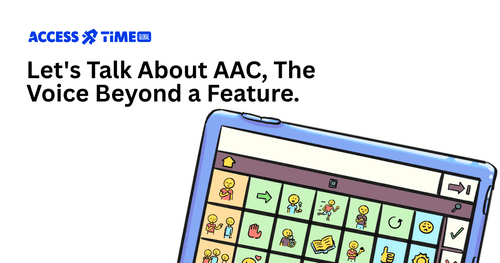
Let's Talk About AAC, The Voice Beyond a Feature.
Read about how Augmentative and alternative communication (AAC) help people with severe speech or language problems express themselves, connect with others, and understand information.
Prasaja Mukti - Accessibility UX Writer
August 16, 2026
Building Accessibility Muscle Inside the Team (Before You Need It)
Accessibility doesn't have to feel overwhelming, defensive, or last-minute. This piece makes the case for building it early, quietly, and continuously, so when the pressure arrives, your team is already ready!
Prasaja Mukti - Accessibility UX Writer
May 25, 2026
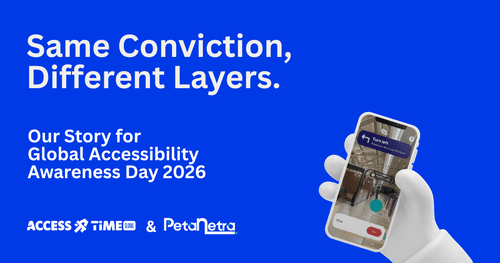
Global Accessibility Awareness Day 2026. AccessTime × PetaNetra
We’re celebrating GAAD 2026 alongside a team whose origin story stopped us in our tracks. Here's PetaNetra that helps visually impaired users in indoor public spaces.
Prasaja Mukti - Accessibility UX Writer
May 22, 2026
Designing Products for the Most Selective Generation
Gen Z isn't hard to reach, they're hard to fool. This piece breaks down why winning their attention starts with product quality and earned trust, not targeting tactics.
Prasaja Mukti - Accessibility UX Writer
May 5, 2026

Why Founders Choose AccessTime to Build Their AI Product Startup
Here’s how we’ve helped AI startup founders turn ambitious ideas into focused, buildable products that launch and grow. Want the same clarity, speed, and execution support for your AI startup?
Prasaja Mukti - Accessibility UX Writer
April 28, 2026

Building Loyalty Through Gamification, from Software House POV
Read how we think about gamification as a deliberate system for shaping user behavior and building long-term emotional investment. Make the progress visible, meaningful, and interaction rewarding.
Prasaja Mukti - Accessibility UX Writer
April 20, 2026